Low-Stakes Casino Guide 2026: Smart Strategies for Maximum Fun on a Budget

Understanding the Basics: European vs. American Roulette
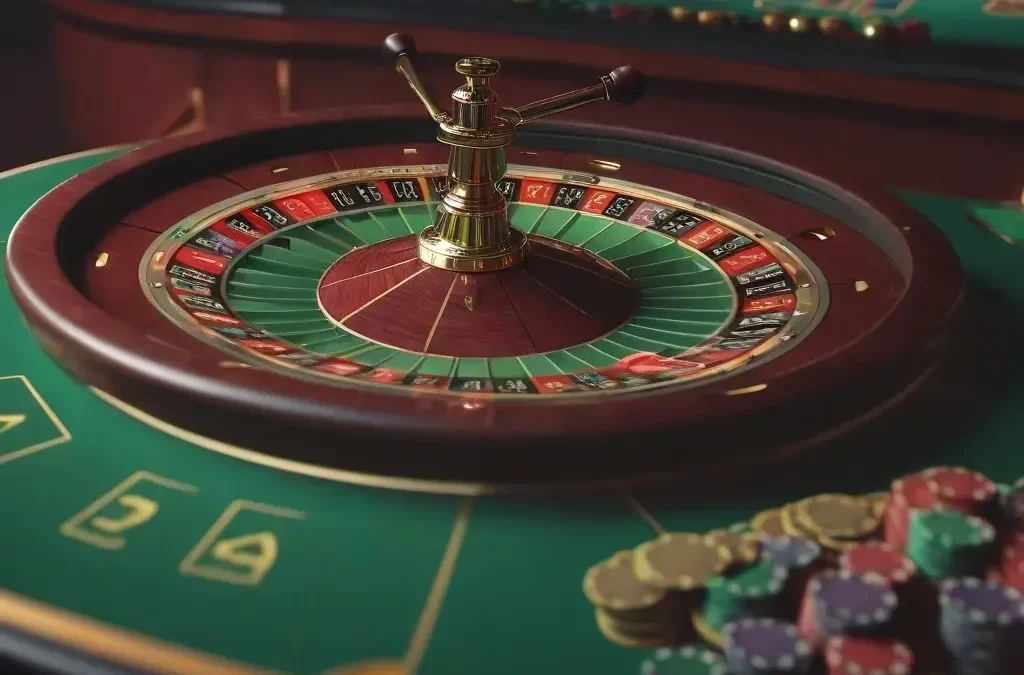
Walk into any casino, and you’ll see two wheels that look almost identical. But that tiny difference—a single extra green slot—is the difference between a smart bet and a sucker punch. The European roulette wheel has 37 pockets: numbers 1 through 36 plus a single zero. The American version crams in a double zero, making it 38 pockets. That one extra slot doesn’t just change the layout; it brutally alters the math. The house edge on European roulette sits at a clean 2.7%. American roulette? A punishing 5.26%. That’s nearly double the built-in advantage for the casino. I once watched a guy at a Vegas table drop $500 in twenty minutes on an American wheel, convinced he was just unlucky. He wasn’t unlucky—he was playing the wrong game. He could have had the exact same spins on a European table and lost half as much over time. The physical wheel layout also shifts: the American wheel has the numbers arranged differently, with the double zero sitting opposite the single zero, creating a slightly different flow of outcomes. But the real takeaway is brutal and simple: always, always hunt for European roulette tables. Online casinos make this easy—just filter by game variant. And here’s a pro tip that most casual players miss: some software providers offer “French roulette,” which uses the European wheel but adds the “en prison” rule. If your even-money bet loses on a zero, the bet is imprisoned for the next spin. If it wins, you get your original bet back—no win, no loss. This slashes the house edge down to a microscopic 1.35%. That’s the best deal you’ll ever get in a casino. Don’t settle for less.
Inside Bets vs. Outside Bets
Once you’ve picked the right wheel, you need to understand the betting grid. Inside bets are the high-risk, high-reward plays on specific numbers or small groups. A straight-up bet on a single number pays 35:1, but your chance of hitting is just 2.7% on a European wheel. Outside bets cover larger sections—red/black, odd/even, high/low, or dozens. These hit nearly 50% of the time (48.6% exactly for even-money bets) but only pay 1:1. Here’s the cold truth: the house edge stays the same regardless of where you put your chips. A straight-up bet and a red/black bet both carry that 2.7% edge. The gambler’s fallacy will whisper that after five black spins, red is “due.” It’s not. The wheel has no memory. Each spin is an independent event. If you want to stretch your playtime, outside bets are your friend—they’ll keep you at the table longer with smaller swings. But they won’t make you rich. Inside bets can produce a massive single win, but they’ll drain your bankroll fast if you chase them. Pick your poison wisely.
The Mathematics of Roulette: Why the House Always Wins (Eventually)
Let’s cut through the noise and get straight to the cold, hard fact: every spin is independent, and the wheel has no memory. It doesn’t care if you’ve lost ten in a row or won five. The math is brutal, but it’s also beautiful in its simplicity. Take a $1 bet on black. The probability is 18/37 (on a European wheel), the payout is 1:1, and your expected loss per spin is exactly $0.027. That’s 2.7 cents gone every time you click that button. Over an hour of play, that adds up fast. Compare that to a slot machine, where the house edge can hit 10% or more, and suddenly roulette looks like a bargain. But here’s the kicker: no strategy, no betting system, no lucky charm can bend that math. The law of large numbers ensures that over thousands of spins, the casino’s edge grinds you down. I’ve seen players chase losses for hours, thinking they can outsmart the math. They never do. And the myth that online casinos can “rig” the wheel? Reputable sites use certified random number generators (RNGs) that are audited by third parties. They don’t need to cheat—the house edge does the work for them. Your best weapon is understanding that you’re paying for entertainment, not investing. Walk in knowing that, and you’ll never be surprised by the outcome.
The Illusion of Patterns and Hot Numbers
Picture this: a player stares at the “hot numbers” board for an hour, watching the number 17 hit three times. Convinced it’s “due,” he bets big on 17. It loses. Then again. And again. This is the gambler’s fallacy in action—the belief that past outcomes influence future ones. In a truly random game, the probability of the next spin is the same regardless of history. Think of a coin flip: if you flip 10 heads in a row, the chance of tails on the next flip is still 50%. The wheel doesn’t care about your spreadsheet. That “recent results” display on the online interface? It’s a psychological trap designed to make you feel like you have control. Ignore it. The wheel has no memory, and neither should you.
Common Betting Systems and Why They Fail
If these systems worked, casinos would have banned them long ago. Instead, they smile, comp you a drink, and watch you dig your own grave. The Martingale system is the poster child for this delusion. You double your bet after every loss, chasing that one win to recoup everything. Sounds foolproof, right? Wrong. The math is brutal. A losing streak of just seven consecutive bets—a probability of 0.5^7, or 0.78%—forces you to bet $128 on a $1 base. Most roulette tables cap out at $500. You hit that wall, and your entire bankroll evaporates. I once watched a friend burn through $1,000 in ten minutes using this exact system. He was confident, then he was broke. The Fibonacci sequence looks smarter—1, 1, 2, 3, 5, 8—but it still relies on an eventual win to claw back losses. The problem? Losses stack deep before that win comes, and when it does, you barely break even. The D’Alembert system is slower, increasing bets by one unit after a loss and decreasing after a win. It feels safer, but it hides the same flaw: you’re still betting against a house edge that never sleeps. The only system that works is a solid bankroll management plan – and that’s not a betting system.
Why Casinos Love System Players
Casinos don’t fear system players; they adore them. It’s like playing a slot machine with a 95% RTP – you might win big on one spin, but the machine is programmed to give back 95 cents on every dollar over millions of spins. The short-term thrill of a betting progression feels like control, but the long-term math is a slow bleed. Variance gives you a few wins, keeps you hooked, but the house edge always wins. Enjoy the excitement, but never delude yourself into thinking you have an edge. The casino’s profit is built on your hope.

Practical Tips for Playing Online Roulette Wisely
Before you even think about placing a single chip, you need a checklist. It’s not glamorous, but it’s the difference between a fun night and a financial headache. Before you deposit, verify these four things: a license from a reputable authority (like the UKGC or MGA), RNG certification from eCOGRA or a similar body, crystal-clear terms on bonuses, and a reliable withdrawal process. I once knew a guy, let’s call him Dave. Dave hit a massive win on a European roulette table, a solid $2,000 from a $50 deposit. He was ecstatic, planning his weekend. Then he tried to withdraw. The casino said no. He hadn’t read the bonus terms. The wagering requirement was 40x on the bonus plus deposit, and roulette only contributed 5% to the playthrough. He needed to bet over $200,000 to unlock his cash. He lost it all trying. That’s the reality. So, bankroll management is your lifeline. Set a session budget – say $100 – and decide beforehand how many spins you’ll play. Stick to it. I recommend using the ‘stop-loss’ method: if you lose 20% of your bankroll, walk away. No exceptions. The emotional side is just as critical. Never chase losses. It’s a trap. Take breaks. Walk around. Remember that roulette is entertainment, not a job. The house edge is real, and it’s not going anywhere. Apply these tips, and you’ll enjoy the game without regret.
How to Choose a Reputable Online Casino
Check the footer of the casino site for a license number and verify it with the regulator. Stick to well-known brands. Avoid casinos that promise ‘100% win rates’ – they’re scams. I remember checking a casino’s reputation on forums before depositing. Found a thread where players complained about delayed withdrawals for months. Saved me a lot of headache. Look for a license from the UK Gambling Commission or Malta Gaming Authority. If the site looks sketchy, it probably is. Don’t risk it.
Leveraging Bonuses the Right Way
Here’s a brutal example. A casino offers a 100% match bonus up to $500 with a 30x wagering requirement on slots, but only 10% of roulette bets count. That means you’d need to bet $150,000 to clear the bonus – basically impossible. It’s a trap. You need to read the terms carefully. Look for no-deposit bonuses or low-wagering offers. Some casinos exclude roulette from bonus play entirely. Bonuses can be fun, but they’re not a path to profit. They’re a marketing tool. Use them for extra playtime, not as a strategy to beat the house.
Conclusion: Your Next Spin – Informed and in Control
So, where does that leave you? After years of watching players chase ghosts and break banks, the truth is brutally simple. You want to play smart? Stick to European roulette—that single zero is your only real friend at the table. Understand the math: every spin is an independent event, and the house edge is a slow, steady leak, not a flood. Avoid betting systems like the plague; they’re just fancy ways to lose money faster. And above all, play responsibly. I’ve been analyzing roulette for years, and the players who enjoy it most are those who treat it as a game. They set a budget, they know the odds, and they walk away when they’re ahead – or when they’ve hit their loss limit. The wheel doesn’t care about your strategy, your lucky charm, or your “due” number. It’s a cold, mechanical beast that only respects probability. So here’s the final tip: don’t try to beat it. Just enjoy the ride. Now that you’re armed with the truth, go ahead and spin – but do it with your eyes wide open. And remember, the house edge is small, but it’s always there. Play smart, have fun, and never bet more than you can afford to lose.